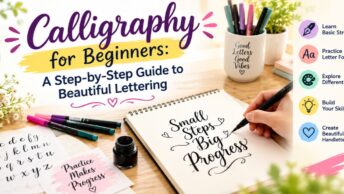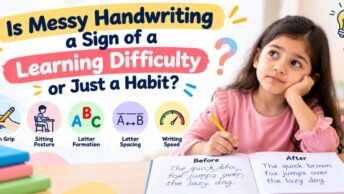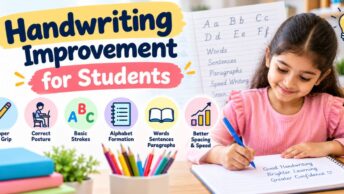

The benefits of learning calligraphy go beyond creating beautiful letters. Calligraphy gives children and adults an opportunity to practise pen control, improve letter formation, explore creativity, and develop a regular writing habit. Whether you are a student learning to write neatly, an adult looking to improve your handwriting, or someone interested in decorative lettering, structured practice can help you develop your skills step by step.
At CalliStyle, handwriting development is approached through guided learning and regular practice. The programme focuses on essential writing skills, including proper pen and pencil holding, sitting posture, letter formation, spacing, and writing speed. These skills can also provide a useful foundation for learners who want to explore different lettering styles.
1. Encourages Creativity and Artistic Expression
One of the main benefits of learning calligraphy is the opportunity to express creativity through lettering. Unlike everyday writing, calligraphy focuses on the appearance, shape, and style of letters.
Learners can practise different lettering styles, experiment with letter shapes, and create attractive written designs. These activities can make writing more engaging for children and provide adults with a creative skill to explore.
Calligraphy can be practised through activities such as:
- Creating decorative alphabets
- Practising different letter shapes
- Designing greeting cards and handwritten messages
- Experimenting with lettering layouts
- Developing consistency in letter formation
With regular practice, learners can gradually become more comfortable experimenting with their own lettering style.
2. Supports Handwriting Practice for Children
Children develop writing skills through repetition, observation, and guided practice. Learning calligraphy introduces them to the importance of forming letters carefully and paying attention to how each letter looks.
For children who are also working on everyday handwriting, practising basic strokes, alphabets, words, and sentences can help build a more organised approach to writing.
At CalliStyle, the handwriting improvement learning approach includes foundational skills such as correct pen or pencil holding, sitting posture, letter formation, and spacing. These fundamentals are useful for children who need structured writing practice.
Parents can support learning at home by encouraging children to:
- Practise letters regularly
- Maintain consistent letter sizes
- Leave suitable spaces between words
- Follow worksheets and writing exercises
- Review their work and practise areas that need attention
Progress depends on the learner’s starting level, consistency, and individual needs.
3. Helps Learners Focus on Letter Formation and Spacing
Letter formation and spacing are important parts of readable handwriting. When letters are uneven or words are crowded together, written work may become difficult to read.
Calligraphy encourages learners to pay closer attention to the shape, direction, and arrangement of letters. These habits can complement handwriting practice for learners who want to make their everyday writing clearer and more consistent.
A simple practice routine can include:
- Practising basic strokes.
- Writing individual alphabets.
- Forming short words.
- Maintaining consistent spaces between words.
- Writing complete sentences and reviewing the result.
CalliStyle’s handwriting learning approach follows a progression from basic strokes and alphabets to words, sentences, paragraphs, spacing, and speed writing. This structured sequence allows learners to practise foundational skills before moving to more complex writing tasks.
4. Develops Pen Control Through Regular Practice
Calligraphy requires attention to how a pen moves across the page. Learners practise controlling their movements, maintaining consistent letter shapes, and following the patterns used in different lettering styles.
For beginners, it is useful to start with simple strokes rather than trying to create complicated designs immediately.
A basic practice session may include:
- Straight lines and curved strokes
- Repeated loops and simple patterns
- Uppercase and lowercase letters
- Short words and familiar phrases
- Reviewing letter consistency
Children can use these exercises to become more familiar with writing movements. Adults can also use them to practise control and consistency, particularly when learning a new lettering style.
Regular practice is more useful than trying to master every technique in one session.
5. Makes Writing Practice More Engaging for Kids
Some children may find repetitive handwriting exercises less interesting when they do not have a clear activity or goal. Creative lettering can introduce variety into their practice routine.
For example, children can practise the alphabet, write their names in different styles, create decorative headings, or make handwritten cards. These activities combine writing practice with a creative task.
Parents and teachers can make the experience more enjoyable by:
- Setting small, achievable practice goals
- Using age-appropriate writing activities
- Giving children time to practise independently
- Appreciating effort and improvement
- Introducing new exercises gradually
The goal is to make regular writing practice meaningful without putting unnecessary pressure on the learner.
6. Offers Adults an Opportunity to Develop a New Skill
The benefits of learning calligraphy are not limited to children. Adults can also explore lettering as a creative hobby or practise handwriting skills for personal and professional use.
Working professionals, business owners, homemakers, and other adult learners may have different writing goals. Some may want to explore decorative lettering, while others may want to work on handwriting clarity, letter spacing, or writing speed.
Adults can begin with simple exercises and gradually practise more detailed lettering styles.
Useful activities include:
- Writing names and short quotations
- Practising consistent letter shapes
- Creating handwritten notes and cards
- Exploring brush pen lettering
- Learning decorative lettering techniques
Calligraphy and handwriting improvement are related but different areas of learning. Calligraphy focuses on artistic lettering, while handwriting improvement focuses on making everyday writing clearer, more consistent, and more comfortable.
Choosing the right practice activities depends on the learner’s goal.
7. Encourages a Regular Learning Routine
Consistent practice is an important part of developing writing skills. Short, regular sessions allow learners to revisit techniques, identify areas for improvement, and apply feedback.
A beginner does not need to spend hours practising in one sitting. A simple routine can provide a starting point.
For example:
- 5 minutes: Practise basic strokes.
- 5 minutes: Write letters or short words.
- 5 minutes: Practise spacing or a selected lettering style.
- 5 minutes: Review the work and identify areas to practise next.
This is a sample routine, not a fixed requirement. Learners can adjust the time according to their age, experience, and learning goals.
Structured exercises and worksheets can also help learners understand what to practise during each session.
8. Builds Confidence Through Visible Practice Progress
Learning a new writing skill takes time. When learners compare their practice sheets over several sessions, they may be able to identify changes in letter shape, spacing, and consistency.
For children, encouragement from parents and teachers can help make the learning experience positive. Adults can also benefit from setting realistic goals and reviewing their own progress.
Try keeping a small collection of practice sheets. Compare earlier and later pages to identify which skills have improved and which ones need more attention.
At CalliStyle, guided learning, worksheets, assignments, and personalised feedback are part of the handwriting improvement learning approach. These elements can help learners understand their practice tasks and work on specific areas that need attention.
Individual progress varies, so learners should focus on steady improvement rather than expecting immediate results.
9. Provides Opportunities to Explore Different Writing Styles
There is more than one way to approach handwriting and lettering. Learners can explore different styles depending on their interests and practical needs.
Some common areas of practice include:
Cursive handwriting: Letters are connected in a flowing style. Learners can practise joining letters and maintaining suitable spacing.
Printed handwriting: Letters are written separately, with attention to shape, size, and readability.
Italic or Lucida-style writing: These styles introduce learners to different letter structures and presentation.
Brush pen lettering: Learners explore decorative lettering using a brush pen and practise creating different strokes.
Copperplate calligraphy: This traditional lettering style involves carefully formed letters and controlled pen movements.
The right starting point depends on the learner’s interests and current skill level. Beginners should first become comfortable with the basic techniques required for their chosen style.
10. How CalliStyle Supports Handwriting Learning
CalliStyle offers a structured handwriting improvement learning approach designed to help learners practise essential writing skills. Its course information describes learning activities that progress from foundational techniques to more developed writing exercises.
Key learning elements include:
- Writing fundamentals: Practice with pen or pencil holding and sitting posture.
- Step-by-step exercises: Progression from basic strokes to alphabets, words, sentences, and paragraphs.
- Spacing and speed writing: Activities focused on word spacing and writing pace.
- Worksheets and assignments: Practice materials to reinforce learning between sessions.
- Personalised feedback: Guidance to help learners identify areas that need improvement.
- Online learning: Classes designed for online access, including mobile-friendly learning.
- Flexible schedules: Learning arrangements that can accommodate different routines.
- Follow-up support: Course information includes revision and post-course assistance.
The website also describes small learning batches and support for learners’ questions. These features can be useful for learners who prefer guided practice rather than relying entirely on independent exercises.
If your primary goal is artistic lettering, explore the relevant calligraphy learning options available through CalliStyle. If you want to focus on everyday writing, review the Handwriting Improvement Program to understand whether it matches your needs.
11. How Parents Can Encourage Children to Practise at Home
Parents can support children’s writing development by creating a comfortable space and making practice part of a manageable routine.
Here are a few practical suggestions:
Start with the basics. Make sure the child is comfortable holding the pencil and sitting at the writing table.
Use short exercises. Begin with simple strokes and letters before moving to longer words and sentences.
Encourage neatness over speed. Allow children to focus on letter formation and spacing before introducing speed-focused exercises.
Provide positive feedback. Recognise effort and specific improvements rather than expecting every letter to be perfect.
Keep practice consistent. A short daily session can be easier to maintain than an occasional, lengthy session.
Review progress together. Compare practice sheets and choose one skill to work on next.
Children learn at different rates. A supportive routine and appropriate guidance can help them continue practising without making writing feel like a punishment.
Frequently Asked Questions
1. What are the main benefits of learning calligraphy?
The benefits of learning calligraphy include creative expression, practising letter formation, developing pen control, and exploring decorative lettering. Regular exercises can also complement handwriting practice.
2. Is calligraphy suitable for children?
Children can explore age-appropriate lettering activities with suitable tools and guidance. For children who need support with everyday writing, handwriting exercises focused on letter formation, spacing, and posture may also be helpful.
3. Can adults learn calligraphy?
Yes. Adults can learn calligraphy as a creative hobby or to explore different lettering styles. Those who want to improve everyday handwriting can consider a handwriting improvement programme that matches their goals.
4. Is calligraphy the same as handwriting improvement?
No. Calligraphy focuses on artistic and decorative lettering. Handwriting improvement focuses on practical writing skills, such as letter formation, readability, spacing, and writing speed. Some practice techniques may overlap, but the learning goals are different.
5. How often should beginners practise calligraphy?
Beginners can start with short, regular practice sessions and increase the duration as they become comfortable. The best routine depends on the learner’s schedule, age, and goals.
6. How can CalliStyle help learners?
CalliStyle’s handwriting improvement learning approach includes structured exercises, worksheets, assignments, personalised feedback, online learning, and follow-up support as described in its course information. Learners should review the relevant programme details to select an option that fits their needs.
Start Your Writing Practice with CalliStyle
The benefits of learning calligraphy include the opportunity to explore creativity, practise controlled lettering, and develop a more thoughtful approach to writing. For children, guided writing activities can make practice more engaging. For adults, calligraphy can provide a creative skill to explore, while handwriting improvement exercises can support practical writing goals.
The best approach is to begin with simple techniques, practise consistently, and choose learning activities that match your needs.
Explore CalliStyle’s available learning programmes to find out more about handwriting improvement and creative lettering opportunities
Do follow us on Facebook