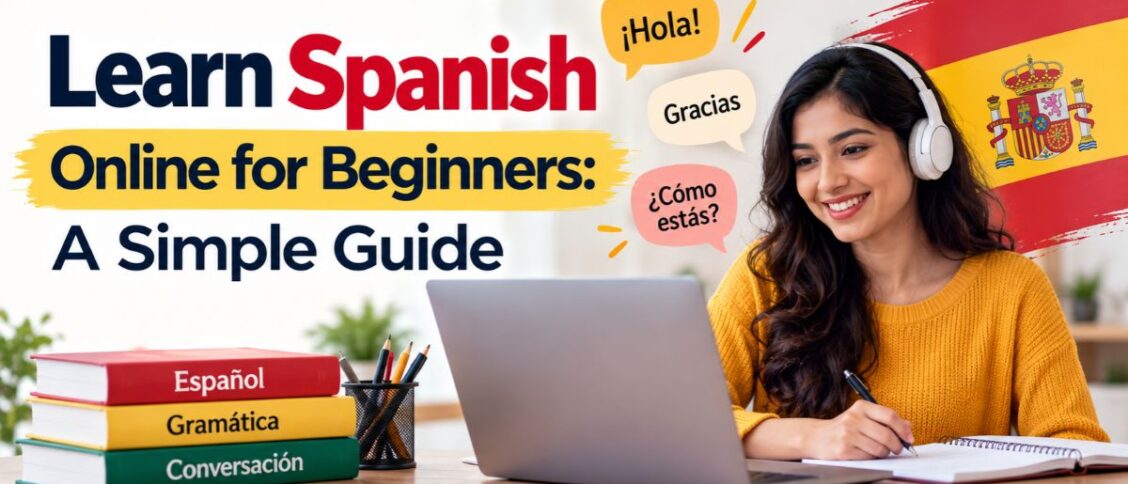

Online Spanish classes are a convenient way to learn a new language from home. Whether you are a student, working professional, business owner, homemaker, or travel enthusiast, learning Spanish can help you communicate with more people and explore a new culture.
Spanish is spoken in Spain and many countries across Latin America. Learning the language can be useful for travel, education, personal development, and certain career paths. Beginners can start with basic words, greetings, pronunciation, and simple sentences before progressing to longer conversations.
With regular practice and structured lessons, learners can gradually develop their Spanish listening, speaking, reading, and writing skills.
CalliStyle offers online language courses for learners at different levels. Its Spanish course information highlights experienced trainers, small learning groups, practical assignments, doubt-clearing support, and certification after course completion. If you are new to Spanish, understanding the course structure can help you decide how to begin.
Why Choose Online Spanish Classes?
Online learning makes it possible to study a language without travelling to a classroom. This can be useful for people balancing school, work, family responsibilities, or other commitments.
1. Learn Spanish from Home
Online Spanish lessons allow you to learn from a convenient location using a suitable device and internet connection. You can fit lessons into your routine and practise between classes.
2. Start Without Prior Knowledge
Beginners can start with basic Spanish vocabulary, pronunciation, greetings, and sentence formation. You do not need to speak Spanish before beginning a course designed for new learners.
CalliStyle describes its language learning as beginner-friendly. Ask the course team which level is suitable for your current knowledge and goals.
3. Learn with Experienced Trainers
A trainer can explain unfamiliar words, help you understand grammar, and guide you through speaking exercises. Feedback can help you identify pronunciation and sentence-formation mistakes.
CalliStyle states that its teachers and trainers have over seven years of experience. You can enquire about trainer availability and teaching methods before enrolling.
4. Study Using Mobile-Friendly Resources
Online learning can be convenient when lessons and resources are accessible on compatible mobile devices. CalliStyle highlights mobile-friendly learning and downloadable content among its course features.
Check the current course details to confirm how learning materials are provided and whether they remain accessible after the course.
5. Practise in Small Learning Groups
CalliStyle describes its learning groups as having no more than two students, allowing more individual attention. Confirm the current class format and batch availability when booking a demo.
What Will You Learn in Online Spanish Classes?
A structured beginner Spanish course generally introduces the language step by step. Learners start with basic words and expressions and then move towards grammar, sentence formation, and practical conversations.
1. Spanish Alphabet and Pronunciation
The first step is to become familiar with Spanish letters, sounds, and pronunciation patterns. Spanish pronunciation has some differences from English, so listening and speaking practice are important.
Beginners can practise:
- Recognising the Spanish alphabet
- Pronouncing vowels and common letter combinations
- Reading simple Spanish words aloud
- Recognising accents in written Spanish
- Listening to and repeating common expressions
Regular practice can help learners become more comfortable reading and pronouncing Spanish words.
2. Basic Spanish Vocabulary
Vocabulary helps you understand simple conversations and express everyday needs. Start with familiar topics such as greetings, numbers, family, food, colours, time, shopping, and travel.
Useful beginner expressions include:
- Hola – Hello
- Buenos días – Good morning
- Gracias – Thank you
- Por favor – Please
- ¿Cómo estás? – How are you?
- Me llamo… – My name is…
Try using a few new words in short sentences each day. Learning vocabulary in context can make it easier to remember and use.
3. Spanish Grammar and Sentence Formation
Grammar helps learners understand how words work together to express meaning. Beginners can start with simple sentence patterns and gradually progress to more complex structures.
Topics may include:
- Personal pronouns
- Nouns and articles
- Common verbs
- Present-tense sentences
- Basic questions and answers
- Negative sentences
- Adjectives
- Common prepositions
- Basic verb conjugation
For example:
Spanish: Me llamo Ana.
English: My name is Ana.
Spanish: Hablo español.
English: I speak Spanish.
Spanish: Me gusta la música.
English: I like music.
Practising sentences related to everyday life helps you apply grammar rather than memorising rules alone.
4. Everyday Spanish Conversations
Speaking practice helps learners use Spanish in practical situations. Beginners can start with short conversations and gradually practise more detailed exchanges.
Common conversation topics include:
- Introducing yourself
- Talking about your family
- Asking for directions
- Ordering food
- Shopping and making enquiries
- Discussing hobbies
- Talking about daily routines
- Asking simple questions while travelling
For example:
A: ¡Hola! ¿Cómo te llamas?
B: Me llamo Carlos. ¿Y tú?
A: Me llamo Ana.
B: ¡Mucho gusto!
English meaning:
A: Hello! What is your name?
B: My name is Carlos. And you?
A: My name is Ana.
B: Nice to meet you!
Practising short dialogues can help you become familiar with common expressions and sentence patterns.
5. Spanish Reading and Writing
Reading and writing activities can strengthen vocabulary and grammar skills. Beginners can start with simple words, short sentences, personal introductions, and brief descriptions.
As learners progress, they may practise writing paragraphs, describing experiences, and understanding longer texts.
CalliStyle’s course information describes a progression from basic topics to more advanced language skills. Contact the team for the current level-wise syllabus and details about reading and writing activities.
Benefits of Learning Spanish
Learning Spanish can provide personal, educational, and practical benefits. The value depends on your interests, proficiency, and how you use the language.
1. Communicate More Comfortably While Travelling
Spanish is useful in many destinations across Spain and Latin America. Knowing common expressions can help with greetings, directions, shopping, restaurant orders, and basic enquiries.
Learning Spanish before travelling can also help you engage with local culture and communicate more independently in familiar situations.
2. Explore a New Culture
Language and culture are closely connected. Learning Spanish can help you explore Spanish-language films, music, books, food, traditions, and everyday expressions.
It can also help you understand the meaning and context of conversations that may be difficult to appreciate through translation alone.
3. Explore Career-Related Opportunities
Spanish language skills may be relevant to roles in tourism, hospitality, translation, education, international customer service, and businesses that work with Spanish-speaking customers.
Career requirements vary. Some roles may require advanced fluency, recognised qualifications, or professional experience, so a beginner course should be viewed as a starting point.
4. Support Educational Goals
Students interested in languages can add Spanish to their learning journey. Those who want to pursue formal language examinations or further studies should check the relevant exam syllabus and qualification requirements.
5. Build a Consistent Learning Habit
Language learning involves listening, recalling vocabulary, understanding patterns, and practising communication. Regular study sessions can help you develop a routine and review what you have learned.
Who Can Join Online Spanish Classes?
Spanish can be learned by people with different backgrounds and interests. CalliStyle’s website states that its course is available to learners aged four and above. Confirm current age requirements and class suitability before enrolling a young child.
Online Spanish classes may be suitable for:
- Students: Explore a foreign language and develop communication skills.
- Working professionals: Learn Spanish for personal or work-related goals.
- Business owners: Become familiar with Spanish expressions for international interactions.
- Homemakers: Learn a new language according to their interests and schedule.
- Travel enthusiasts: Practise useful phrases before visiting Spanish-speaking destinations.
- Beginners: Start learning without prior knowledge of Spanish.
Adults can learn Spanish too. Selecting a suitable course level and practising regularly can help learners work towards their individual goals.
How to Learn Spanish Online as a Beginner
Joining a course provides structure, but regular practice between lessons is also important. Here are practical ways to get started.
Step 1: Learn Common Spanish Words
Start with greetings, numbers, days of the week, family vocabulary, food, and everyday expressions. Learn a few words at a time and use them in short sentences.
Step 2: Practise Pronunciation
Listen to Spanish words spoken clearly and repeat them aloud. Pay attention to vowel sounds, accents, and the way words are connected in sentences.
Step 3: Make Simple Sentences
Practise short sentences about yourself and your routine.
Examples:
- Me llamo… – My name is…
- Vivo en… – I live in…
- Soy estudiante. – I am a student.
- Me gusta leer. – I like reading.
Change the words to describe your own life and interests.
Step 4: Listen to Spanish Every Day
Use beginner-friendly audio lessons, dialogues, or learning materials. Start with short recordings and repeat the phrases you recognise.
Step 5: Practise Speaking
Introduce yourself, ask simple questions, and practise answering common questions. If possible, practise with a trainer or learning partner.
Making mistakes is a normal part of learning. Review corrections and try the sentences again.
Step 6: Review Grammar and Vocabulary
Revise previous lessons before moving to new topics. Write a few sentences using new vocabulary and grammar patterns.
Even short, regular practice sessions can help reinforce what you learn.
Why Consider CalliStyle for Online Spanish Classes?
CalliStyle is an ed-tech startup that offers online hobby and language courses for learners of different age groups. Its Spanish course information highlights the following features.
Experienced Trainers
CalliStyle states that its teachers and trainers have over seven years of experience. Ask about the available trainers and the teaching approach used for each level.
Small Learning Groups
The website describes groups of no more than two students, with an emphasis on individual attention. Confirm the current batch size and availability before registering.
Flexible Online Learning
The course is offered online, allowing learners to study without travelling to a classroom. Ask about class timings and how scheduling works.
Assignments and Practical Training
Assignments and practical exercises can help students review lesson topics and apply their knowledge outside class.
Doubt-Clearing Support
CalliStyle highlights a question-and-answer forum for student support. Contact the team to understand how to submit questions and access assistance.
Downloadable Learning Content
The website mentions downloadable content with lifetime access. Confirm the resources included in the current course and the applicable access conditions.
Certification After Course Completion
CalliStyle states that certification is provided after course completion. Ask about the completion criteria and certificate details before enrolling, especially if you need certification for a specific purpose.
Structured Course Levels
CalliStyle lists 24 classes for the basic level and approximately 40–45 classes for the advanced level. Contact the course team to confirm the current intermediate-level structure, syllabus, class duration, fees, and schedule.
Frequently Asked Questions About Online Spanish Classes
1. Can beginners join online Spanish classes?
Yes. Beginners can start with the alphabet, pronunciation, greetings, vocabulary, and simple sentences. Choose a course that clearly identifies itself as suitable for learners with no prior Spanish knowledge.
2. Can adults learn Spanish online?
Yes. Adults can learn Spanish at different stages of life. A suitable course, regular revision, and speaking practice can help them progress towards their goals.
3. Can I learn Spanish online from home?
Yes. Online lessons allow you to study from home using a suitable device and internet connection. The exact learning format depends on the provider.
4. Is Spanish difficult to learn?
The difficulty depends on your previous language experience, practice routine, and learning goals. Beginners can start with familiar vocabulary and simple expressions before moving to more complex grammar.
5. What equipment do I need for online Spanish classes?
A smartphone, tablet, or computer with internet access may be sufficient, depending on the class format. Headphones and a microphone can be useful for listening and speaking exercises.
6. Does CalliStyle provide a Spanish course certificate?
CalliStyle states that certification is provided after course completion. Contact the course team to confirm the requirements and certificate details.
7. How many classes are included in CalliStyle’s Spanish course?
CalliStyle lists 24 classes for the basic level and approximately 40–45 classes for the advanced level. Confirm the current course structure, intermediate-level details, and schedule directly with the provider.
8. How can I enrol in CalliStyle’s Spanish course?
Visit the official CalliStyle website and use its demo-booking or enquiry option. Ask about fees, timings, the syllabus, trainer details, and available levels before enrolling.
Start Learning Spanish with CalliStyle
Learning Spanish can be a rewarding way to explore another language, communicate with more people, and discover new cultures. Starting with pronunciation, vocabulary, grammar, and everyday conversations can help beginners build a foundation for further learning.
Online Spanish classes provide a convenient way to study from home while balancing other responsibilities. CalliStyle highlights online learning, experienced trainers, small learning groups, practical assignments, doubt-clearing support, and certification after course completion.
If you are ready to begin learning Spanish, explore CalliStyle’s course details and book a demo to find out whether the programme suits your learning goals.
Do follow us on Facebook